In today’s fast-paced digital landscape, software is no longer just a tool; it is the very backbone of business operations. For organizations relying on the robust and reliable IBM i platform, managing the entire journey of an application – from a nascent idea to its eventual retirement – is paramount. This comprehensive approach is called Application Lifecycle Management (ALM). Within the IBM i ecosystem, Aldon Lifecycle Manager (LMi) from Rocket Software is a standout solution.
What is Application Lifecycle Management (ALM)?
Think of ALM as the holistic governance and control system for software development. It is much broader than just coding. ALM encompasses every stage of an application’s life, including:
- Requirements Management: Defining what the application needs to do
- Design & Architecture: Planning how the application will be built
- Development & Coding: Writing the actual software
- Testing & Quality Assurance: Ensuring the application works as intended and meets quality standards
- Release & Deployment: Getting the application into production environments
- Maintenance & Operations: Ongoing support, bug fixes, and enhancements
- Change Management: Managing modifications and updates throughout the lifecycle
- Compliance & Auditing: Ensuring adherence to regulations and internal policies
When development is not structured, deadlines can be missed, quality can deteriorate, compliance issues arise, and costs often increase.
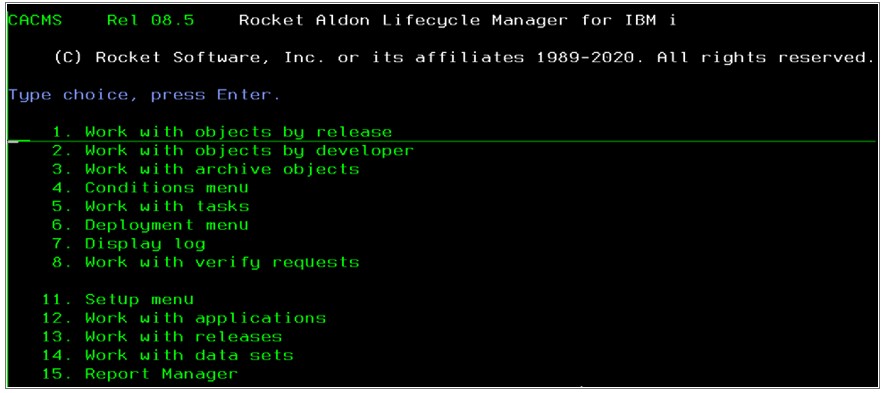
Key Features of Aldon Lifecycle Manager
1. Increased Productivity
LMi increases developer productivity and ensures that IT projects are deployed on time. Throughout the entire process, files are automatically deployed to any number of servers/environments.
2. Regulatory Compliance
It helps companies meet regulatory compliance for multi-platform development. In IT, it is possible to configure system-enforced process flows to ensure that components automatically move through defined phases, and that company policies and government regulations are continuously enforced. This process can be highly configured for user permissions and development environment support.
3. Audit Trails
It automatically documents all developers’ activity by providing a detailed audit trail of development changes.
4. Dashboards & Reports
It provides customized dashboards and reports that detail activities performed.
Advantages
By implementing Aldon Lifecycle Manager for IBM i, organizations can realize significant benefits:
- Increased Productivity: Automation of repetitive tasks and streamlined workflows free up developers to focus on innovation.
- Improved Software Quality: Enforced processes, rigorous testing, and reduced manual errors lead to higher quality applications.
- Faster Time-to-Market: Efficient change and release management accelerates the delivery of new features and updates.
- Enhanced Compliance: Automated audit trails and enforced processes simplify regulatory adherence and internal audits.
- Reduced Risk: Better visibility, controlled changes, and rollback capabilities mitigate risks associated with software development.
- Better Collaboration: A centralized platform and standardized processes foster improved communication and collaboration among development teams.
Potential Disadvantages to Consider
While Aldon Lifecycle Manager for IBM i offers substantial advantages, it is important to consider potential downsides or challenges:
- Initial Investment and Cost: ALM solutions, especially comprehensive ones like LMi, can represent a significant upfront investment in terms of licensing, implementation services, and potential training. For smaller organizations or those with very limited budgets, this can be a barrier.
- Change Management Challenges: The introduction of any new system that fundamentally alters the way teams work requires effective change management. If not managed proactively, this can pose a hurdle to developers accustomed to older, less formal methods.
- Integration Challenges: While LMi offers integration capabilities, linking them with all existing tools (e.g., specific testing tools, project management software) might not always be straightforward and could require custom development or third-party connectors.
- Maintenance and Administration: Like any enterprise-grade software, LMi requires ongoing maintenance, updates, and administration to ensure it runs smoothly and effectively. This requires dedicated resources or expertise.
Conclusion
In the dynamic world of IT, effective Application Lifecycle Management is not a luxury but a necessity. For organizations running critical applications on the IBM i platform, Aldon Lifecycle Manager for IBM i offers a proven, robust solution to bring order, control, and efficiency to their software development lifecycle. By leveraging its comprehensive features, businesses can transform their IBM i development into a predictable, scalable, and highly efficient process, ensuring their applications continue to deliver maximum business value for years to come.